Bauxite Rotary Kiln About
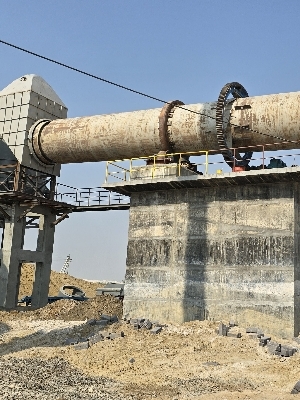
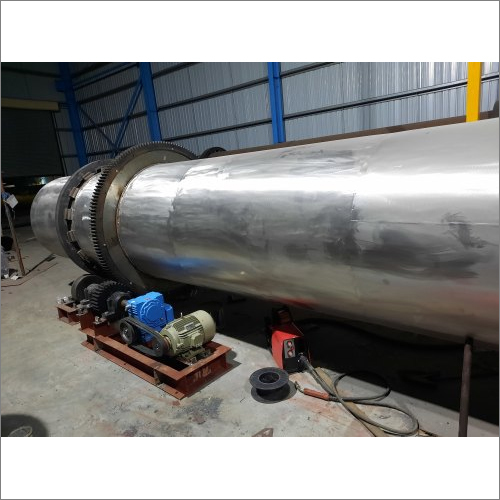
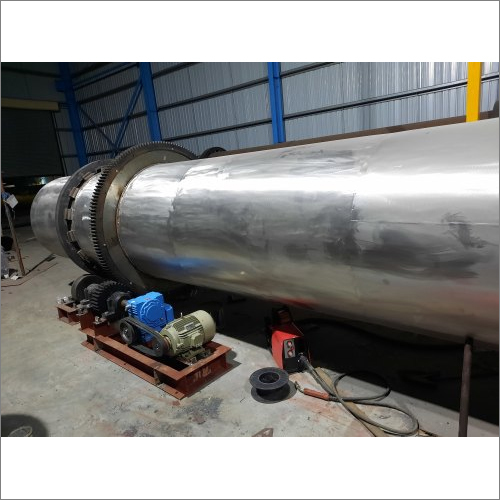
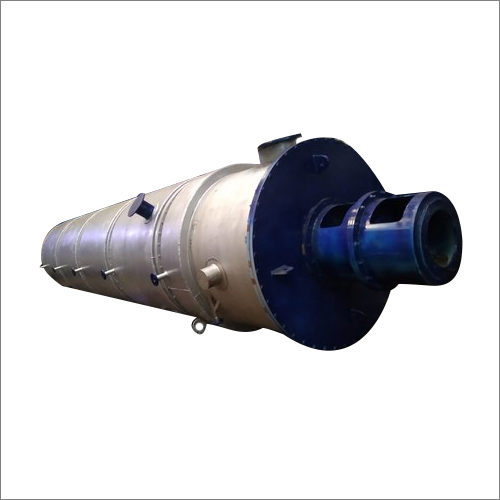
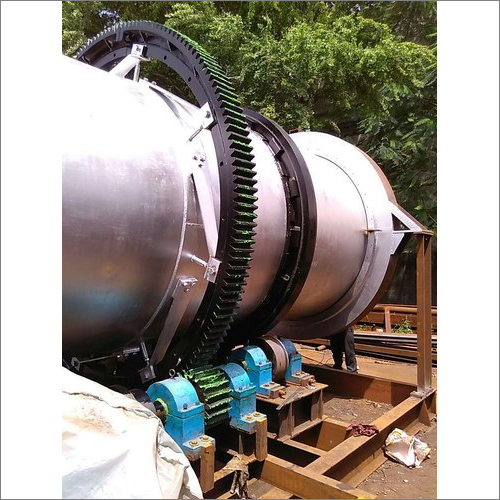
ROTARY KILN:- A rotary kiln is a cylindrical, rotating furnace used for various high-temperature processing operations. It consists of a long, horizontal steel shell lined with refractory materials, which rotates slowly on its axis. The kiln is typically inclined slightly to allow materials to move through the interior as it rotates. Key Features and Uses: Material Processing: Rotary kilns are used for processing solid materials, including cement, lime, ceramics, Minerals and chemicals, by subjecting them to high temperatures. Temperature Control: The interior of the kiln can reach temperatures ranging from 700C to over 1400C, depending on the process requirements. Continuous Operation: They operate continuously, allowing for a constant feed of raw materials and the steady removal of processed materials. Versatility: Rotary kilns are versatile and can be used for various processes, such as calcination, sintering, roasting, and pyrolysis. Heat Source: The heat required for the processes is typically provided by a flame at one end of the kiln, fueled by gas, oil, or coal. Rotary kilns are essential in industries such as cement production, where they are used to produce clinker, and in metallurgy and chemical processing, where they are used for various thermal treatments.
Customizable Calcination CapacitiesOur Bauxite Rotary Kilns can be tailored to your specific production scale, with capacity options from 50 to 600 tons per day. This ensures optimal performance and energy use, meeting the requirements of small to large-scale alumina producers. Each kiln's dimensions and features can be precisely configured to your technical and operational needs, offering exceptional flexibility for varied manufacturing environments.
Advanced Automation and ControlThe system is equipped with a modern PLC-based control mechanism for fully automated operation, maximizing process stability and precision. Key parameters such as temperature, shell rotation speed, and fuel type are automated and adjustable to ensure consistent calcination quality. This results in minimal operator intervention and enhanced safety during continuous production cycles.
Durable Engineering for Demanding EnvironmentsEngineered from carbon or alloy steel, the kiln shell starts at 16 mm thickness and adapts to size and design requirements. The indirect air cooling system ensures both high durability and process efficiency, even at elevated temperatures between 1000C and 1600C. Robust drive options and efficient power usage further guarantee reliable and cost-effective operation throughout the lifecycle.
FAQ's of Bauxite Rotary Kiln:
Q: How does the Bauxite Rotary Kiln improve the calcination process for alumina production?
A: The kiln ensures uniform heat distribution and precise temperature control (1000C to 1600C), driven by automated PLC controls and variable shell rotation speeds. This leads to consistent, high-quality bauxite calcination, which is crucial for optimal alumina yield and purity.
Q: What customization options are available for this rotary kiln?
A: You can tailor the kiln's capacity (50-600 TPD), shell thickness, drive type, materials (carbon steel/alloy steel), voltage (220V/380V/415V), dimensions, and fuel source, ensuring it meets unique process and site requirements.
Q: Where is installation support for this rotary kiln available?
A: Professional installation services are provided globally, with a focus on the Indian market and export destinations. Teams assist with onsite setup, commissioning, and initial operational guidance to ensure smooth integration.
Q: What fuels and heat sources can the rotary kiln use?
A: The rotary kiln operates efficiently with natural gas, coal, or oil as fuel, and utilizes gas, oil, or coal-fired heat sources. This flexibility allows you to select the most cost-effective and locally available energy option.
Q: When should a fully automated rotary kiln be chosen over conventional systems?
A: Select a fully automated rotary kiln when consistent product quality, reduced manpower, enhanced safety, and process control reliability are priorities-especially for high-volume, critical calcination operations in alumina production.
Q: What are the main benefits of using indirect air cooling in this rotary kiln?
A: Indirect air cooling enhances the lifespan of the kiln shell and preserves material quality by avoiding direct material exposure to ambient air, thereby improving the overall efficiency and output quality.
Q: How energy-efficient is the rotary kiln for large capacity operations?
A: Engineered for efficiency, the kiln's power consumption (60-400 kW) is optimized relative to its capacity. Automated controls and selection of efficient fuels further minimize operational costs and environmental impact.







 Send Inquiry


 Send Inquiry
 Send Inquiry
 Send SMS
 Call Me Free


