

Call Us
08045813396

Working Hours
Mon - Sat 9:00 - 6:30
Call Us
08045813396
Working Hours
Mon - Sat 9:00 - 6:30
The ZLD Plant is a water treatment process in which all wastewater is purified and recycled; therefore, leaving zero discharge at the end of the treatment cycle. Zero liquid discharge is an advanced wastewater treatment method that includes ultrafiltration, reverse osmosis, evaporation/crystallization etc. As the name states it removes all the liquid waste from the effluent. It includes pre-treatment of effluent with evaporation due to which precipitation occurs. After precipitation crystal are formed. During the process of evaporation water vapors form which condensate & are returned to the initial process. ZLD Plant helps to meet higher recovery rate & to recover valuable materials from wastewater.
Product Details:
| Max Temperature | 200 |
| Capacity | 1m2 to 40m2 |
| Automatic Grade | Semi-Automatic |
| Design | Customized |
| Voltage | 415 |
| Material | SS 316L , Duplex, SS 304 |
| Brand | ED |
| Usage/Application | Industrial Effluent, Waste Water, Dyes Industries, Paper Industries |
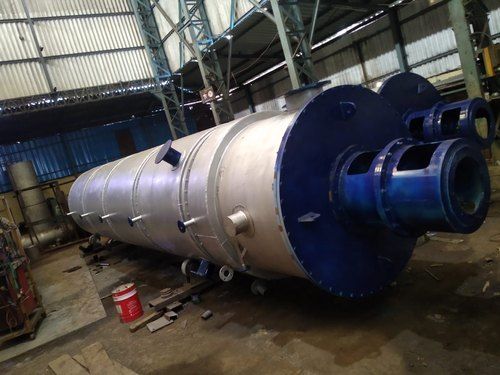

Price:
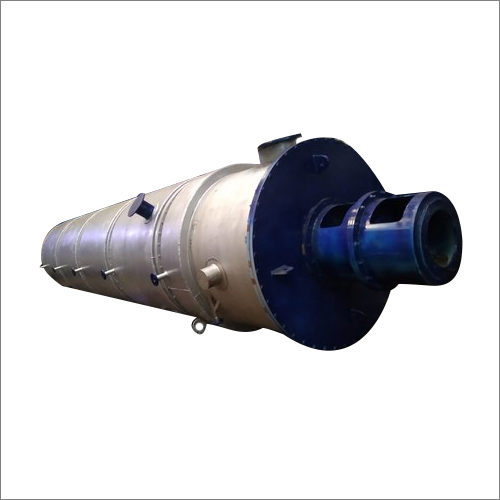
Price 450000.00 INR / Unit
Minimum Order Quantity : 1 , , Unit
Dimension (L*W*H) : Custombuilt, varies per capacity
Temperature : Up to 350C
Power : 5 HP to 100 HP
Fuel Type : Electric / Diesel / Gas
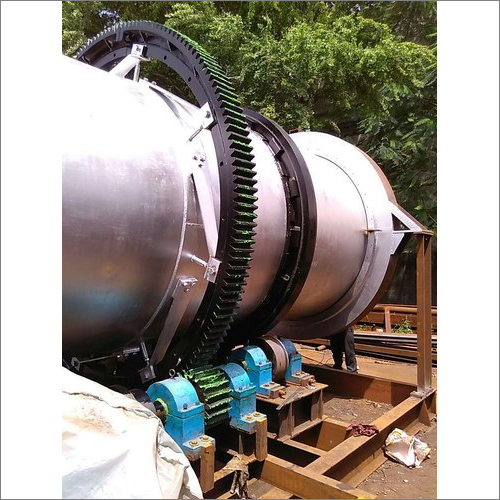
Price 450000.00 INR / Unit
Minimum Order Quantity : 1 Unit
Dimension (L*W*H) : 6000 x 1800 x 2000 mm
Temperature : Up to 200C
Power : 7.5 kW
Fuel Type : Coal, Gas, Oil, Electric
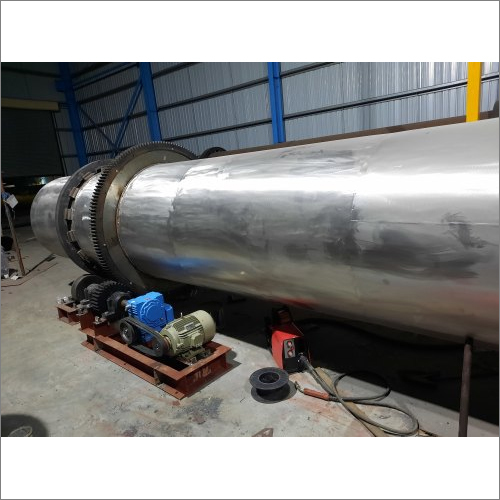
Price 450000.00 INR / Unit
Minimum Order Quantity : 1 Unit
Dimension (L*W*H) : 6500 mm x 1700 mm x 2300 mm
Temperature : 60C to 150C
Power : 15 kW
Fuel Type : Natural Gas/Oil/Electric
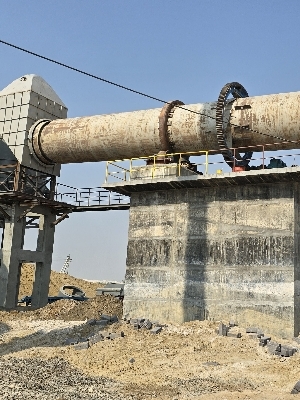
Price 200000.0 INR / Set
Minimum Order Quantity : 1 Set
Dimension (L*W*H) : Customized as per requirement
Temperature : 1000C 1600C
Power : 60400 kW (model dependent)
Fuel Type : Natural Gas / Coal / Oil
GST : 27ABHCS9442B1Z9



 Send Inquiry


 Send Inquiry
 Send Inquiry
 Send SMS
 Call Me Free


